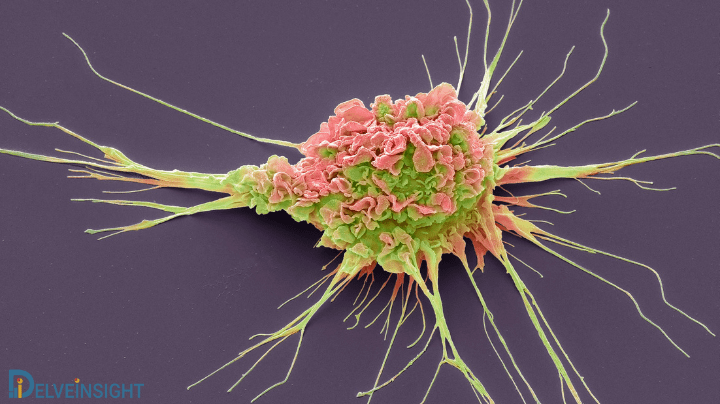
Exosome-based therapies are emerging as a groundbreaking approach in the field of personalized medicine, offering tailored treatments that target specific diseases at the molecular level. Exosomes are small vesicles secreted by cells that play a crucial role in intercellular communication by transferring proteins, lipids, and nucleic acids. These vesicles have the potential to revolutionize treatments for a wide range of conditions, including cancer, neurodegenerative diseases, and inflammatory disorders. With their ability to carry therapeutic molecules, exosomes are being explored as a delivery vehicle for drugs, RNA therapies, and even immune modulators. Below are five promising exosome-based therapies that could significantly impact the treatment of various conditions.
1. Exosome-Based Treatments for Atopic Dermatitis
Atopic dermatitis, a chronic inflammatory skin condition, has long been challenging to treat effectively. Traditional treatments often focus on managing symptoms rather than addressing the underlying causes of inflammation. Exosome-based treatments for atopic dermatitis are offering new hope for patients. By utilizing exosomes derived from immune cells, researchers can deliver targeted anti-inflammatory molecules directly to the affected skin cells. These exosomes can modulate the immune response, reduce inflammation, and promote skin regeneration, leading to more effective management of atopic dermatitis. As these therapies are further developed, they promise to offer personalized, less invasive, and more sustainable treatment options for individuals suffering from this condition.
2. Exosome-Based Cancer Immunotherapy
Exosome-based therapies are being investigated as part of the next generation of cancer immunotherapy. Exosomes can carry tumor-associated antigens (TAAs) and other immune-stimulating molecules, which can be used to train the immune system to recognize and destroy cancer cells. These therapies aim to overcome the limitations of traditional cancer treatments by enhancing immune response without the harsh side effects often associated with chemotherapy and radiation. By harnessing the power of exosomes to deliver vaccines or immune-modulating molecules, personalized cancer treatments are becoming a reality. This approach holds promise for treating various cancer types, including breast, lung, and prostate cancers, in a more targeted and effective way.
3. Exosome-Based Treatment of Neurodegenerative Conditions
Neurodegenerative diseases such as Alzheimer’s, Parkinson’s, and amyotrophic lateral sclerosis (ALS) are notoriously difficult to treat, with no current cure. However, exosome-based therapies are showing great potential in the treatment of these conditions. Exosomes can carry therapeutic RNA, proteins, and other molecules that may help repair damaged neurons, reduce inflammation, and slow disease progression. By delivering these therapeutic agents directly to the brain, exosomes can bypass the blood-brain barrier, a major challenge in treating neurodegenerative diseases. Exosome-based treatments for neurodegenerative conditions could potentially provide personalized care that addresses the specific molecular mechanisms behind each patient’s disease, improving outcomes and quality of life.
4. Exosome-Based Regenerative Medicine for Tissue Repair
Exosome-based therapies are also gaining traction in regenerative medicine, particularly in tissue repair and wound healing. Exosomes derived from stem cells have demonstrated the ability to promote tissue regeneration, accelerate healing, and reduce fibrosis. By delivering growth factors and other regenerative molecules, exosomes can help stimulate the body’s natural healing processes. These therapies hold promise for conditions such as chronic wounds, osteoarthritis, and cardiovascular diseases, offering a more targeted and less invasive alternative to traditional treatments. The potential for personalized regenerative therapies is significant, as exosome-based treatments can be tailored to the individual’s specific healing needs.
5. Exosome-Based Treatments for Autoimmune Diseases
Autoimmune diseases, in which the body’s immune system mistakenly attacks its own tissues, are challenging to treat with conventional therapies. Exosome-based therapies are being explored as a way to modulate the immune system and restore balance. By delivering immune-regulatory molecules via exosomes, it is possible to reduce the overactive immune responses associated with autoimmune diseases like rheumatoid arthritis, lupus, and multiple sclerosis. Exosome-based treatments can be personalized to target the specific autoimmune pathway involved in each patient’s condition, offering a more precise and effective solution compared to generalized immunosuppressive drugs.
Conclusion
Exosome-based therapies are at the forefront of personalized medicine, offering innovative and targeted treatment options for a wide range of diseases. From treating chronic skin conditions like atopic dermatitis to advancing the treatment of neurodegenerative diseases and autoimmune disorders, the potential for exosomes in personalized medicine is immense. As research continues and these therapies evolve, they hold the promise of providing more effective, less invasive treatments that are tailored to the individual needs of patients. The future of exosome-based therapies is bright, paving the way for more precise and personalized healthcare solutions.
Latest Report Offered By DelveInsigh:
Chronic Wounds Market | Congenital Adrenal Hyperplasia Market | Cytokine Release Syndrome Market | Granulomatosis With Polyangiitis Market | Iga Nephropathy Market | Von Willebrand Disease Market | Eosinophilic Esophagitis Market | B-cell Non-hodgkin Lymphoma Market | Alcohol Use Disorder Market | Seborrhea Market | Choroideremia Market | Mrna Based Vaccines And Therapeutics Market | Benefits Of Robotics In Healthcare | Lewy Body Dementia | Energy Based Aesthetic Devices Market | Ependymoma Market | Fertility Monitoring Devices Market | Germ Cell Tumor Market | Hernia Repair Devices Market | Hot Flashes Market | Implantable Cardioverter Defibrillators Market | Keloid Market | Orthopedic Power Devices Market | Pouchitis Market | Surgical Sealant Market | Transthyretin Amyloidosis Market | Vascular Graft Devices Market | Lip And Oral Cavity Cancer Market | Sinus Dilation Devices Market | Inguinal Hernia Market | Plaque Psoriasis Market | Plasmodium Vivax Malaria Market | Hdac Inhibitors Market | Peritoneal Dialysis Equipment Market | Adenosine Deaminase-severe Combined Immunodeficiency Market | Bone Resorption Market | Pelvic Inflammatory Disease Market
 Site Title
Leave a comment