Introduction to Papilloma
Papilloma is a benign tumor that forms on epithelial tissue and is typically caused by a viral infection, most commonly by the human papillomavirus (HPV). These tumors, also known as warts, can appear on the skin or mucous membranes. Papillomas can be found in various parts of the body, including the respiratory tract (respiratory papillomatosis), genital region, and the skin, though the most common form is cutaneous papillomas. Some papillomas are asymptomatic, while others may cause discomfort, obstruction, or even be precursors to malignant growths in rare cases.
HPV infection, the leading cause of papillomas, is widespread, with certain strains of the virus leading to more severe outcomes, including genital warts and certain types of cancers, such as cervical cancer. The treatment for papillomas includes both non-surgical options such as topical treatments and surgical removal techniques, as well as vaccines for prevention, particularly in the case of HPV-associated papillomas.
Market Insights
The papilloma market is driven by the increasing prevalence of HPV-related conditions, growing awareness about papilloma-associated cancers, and rising demand for effective treatments. The market is also impacted by advances in vaccine development and diagnostic tools. The increasing availability of HPV vaccines, such as Gardasil, which helps prevent certain types of HPV infections, is expected to reduce the prevalence of HPV-related papillomas over time, but treatment demand remains significant due to the persistence of infections and the complications associated with untreated papillomas.
- Prevalence of HPV Infection: The human papillomavirus is the most common sexually transmitted infection (STI) worldwide, with certain high-risk strains linked to the development of genital warts and various cancers. HPV infection rates, combined with the occurrence of skin papillomas and respiratory papillomatosis, drive the need for effective treatments.
- Development of New Treatment Options: Current treatments for papillomas include cryotherapy, laser therapy, surgical removal, and topical treatments. However, advancements in immunotherapy, antiviral drugs, and novel molecular treatments are expected to improve patient outcomes and shape the future of the papilloma treatment landscape.
- Preventive Vaccination Efforts: Vaccines like Gardasil, which protect against HPV types responsible for most cases of genital warts and cancers, are a significant part of the prevention and management strategy. Widespread vaccination programs have already made significant inroads in reducing the incidence of HPV-associated diseases.
Request for a Free Sample Report @ Papillomas Market
Key Market Drivers
- Increasing HPV Infections: The high prevalence of HPV infection, especially among young sexually active individuals, continues to drive the market for papilloma treatments. HPV infections can lead to multiple types of papillomas, including genital warts, and are linked to various cancers, thus maintaining a steady demand for both treatments and vaccines.
- Advances in Diagnostic Technologies: The development of improved diagnostic techniques, such as HPV DNA testing, plays a critical role in the early detection of papillomas, leading to faster intervention and treatment. Early diagnosis, particularly in cervical cancer prevention through routine screenings, is expected to boost demand for diagnostic services.
- Rising Awareness of HPV-Associated Cancers: With increasing awareness regarding the link between HPV infection and certain cancers, especially cervical, anal, and oropharyngeal cancers, there is growing demand for vaccines and treatment options. Public health campaigns promoting vaccination and early detection are likely to increase market opportunities.
- Increased Investment in Vaccine Development: Leading pharmaceutical companies and biotechnological firms are focusing on expanding HPV vaccine offerings, especially those targeting additional high-risk HPV strains. The continued research and development of vaccines that provide broader protection against HPV-related diseases will further boost the market.
Request for a Free Sample Report @ Papillomas Market
Challenges in the Papilloma Market
- Limited Treatment Options for Certain Papillomas: While topical treatments and surgical procedures are effective for many papillomas, some types, such as respiratory papillomatosis, require more advanced interventions, including recurrent surgeries. This represents a challenge in developing permanent and less invasive treatment methods for certain papillomas.
- Vaccine Hesitancy: Despite the proven efficacy of HPV vaccines, vaccine hesitancy remains an obstacle in certain regions. Misconceptions about vaccine safety and the importance of vaccination for both males and females may hinder market growth in specific populations.
- Regulatory and Market Access Barriers: The introduction of new papilloma treatments or vaccines faces regulatory challenges and market access barriers in various regions. Furthermore, treatment costs for certain advanced therapies or repeated surgeries can limit accessibility, particularly in lower-income markets.
- Aging Population and Recurrence of Papillomas: As the global population ages, there is an increasing incidence of HPV-associated papillomas in older adults. The risk of recurrence and complications in individuals with compromised immune systems further complicates the management of the condition.
Competitive Landscape
The papilloma market consists of several established players, including vaccine manufacturers, pharmaceutical companies involved in antiviral treatments, and providers of diagnostic tools.
- Merck & Co., Inc.: Merck is a leading player in the HPV vaccine market with its Gardasil and Gardasil-9 vaccines, which prevent infection with the HPV strains responsible for most papillomas and HPV-associated cancers.
- GlaxoSmithKline (GSK): GSK’s Cervarix is another widely used HPV vaccine that offers protection against the high-risk strains of HPV, particularly for preventing cervical cancer.
- Novartis: Novartis is involved in the development of treatments and vaccines targeting HPV and its associated papillomas, contributing to the competitive landscape.
- Sanofi Pasteur: Another major player in the vaccine segment, Sanofi Pasteur is working on expanding its portfolio of vaccines, including HPV vaccines.
- Bristol-Myers Squibb: In addition to its involvement in cancer therapies, BMS is exploring treatments for HPV-associated diseases, including vaccines and antiviral therapies.
- Other Players: Smaller biotech companies are also exploring innovative treatment options for papillomas, including antiviral therapies, immunotherapies, and novel surgical techniques aimed at preventing the recurrence of papillomas.
Epidemiology of Papilloma
The global epidemiology of papillomas is closely tied to the prevalence of HPV infection. Some key statistics include:
- HPV Infection Prevalence: Approximately 80% of sexually active adults will contract at least one strain of HPV in their lifetime, with the majority of infections being asymptomatic. However, high-risk strains can lead to various forms of papillomas and cancers.
- Prevalence of Genital Warts: It is estimated that approximately 1% of the sexually active population experiences genital warts at some point in their life, which are caused by HPV strains.
- Cervical Cancer: HPV infection is responsible for nearly 99% of cervical cancer cases. Cervical cancer remains one of the most common cancers among women worldwide, with millions of women at risk due to persistent infection with high-risk HPV types.
- Respiratory Papillomatosis: Respiratory papillomatosis, while rare, affects both children and adults, leading to respiratory complications that may require multiple surgeries.
Market Forecast – 2032
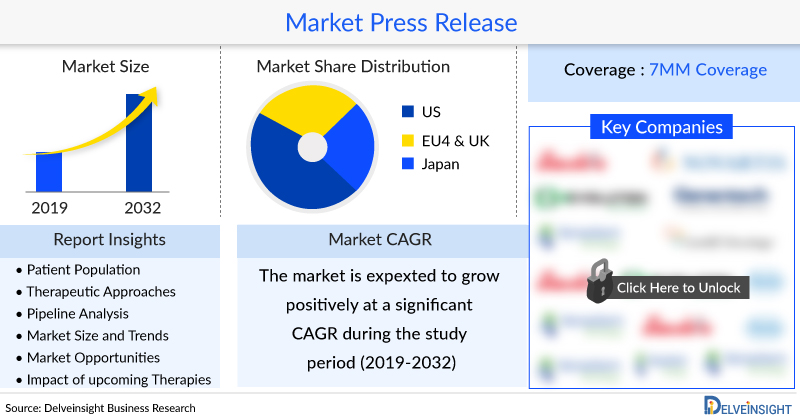
The papilloma market is expected to grow at a steady CAGR through 2032, primarily driven by increased HPV vaccination rates, advancements in treatment options, and expanding awareness about HPV-related cancers.
Key market drivers include:
- Increased vaccination programs aimed at reducing the prevalence of HPV-related diseases and, by extension, papillomas.
- Technological advancements in diagnostics and treatments, particularly in the areas of immunotherapy and antiviral drugs.
- Growing public awareness of HPV’s role in the development of cancers, leading to more people seeking prevention and treatment options.
By 2032, the papilloma market will see continued growth, particularly in regions with robust vaccination programs and improving healthcare systems, especially in emerging markets.
Request for a Free Sample Report @ Papillomas Market
Conclusion
The papilloma market is poised for steady growth through 2032, driven by the expanding prevalence of HPV infections and increasing awareness of the link between HPV and certain cancers. With continuous innovations in vaccines and treatment modalities, there is significant potential for reducing the burden of papillomas. However, addressing vaccine hesitancy, expanding access to vaccines and treatments, and improving diagnostic tools will be key to maximizing the market’s growth.
Latest Reports Offered By DelveInsight:
CD-38 Market | AKT Inhibitor Market | CDK 7 Inhibitors Market | BCMA Targeted Therapies Market | BTK Inhibitors Market | PLK1 Inhibitor Market | Mesenchymal-epithelial Transition Factor (MET) Market | Opioid Kappa Receptor Agonists Market | TIGIT Inhibitors Market | BCL-2 Inhibitors Market
 Site Title
Leave a comment