Overview: Orthostatic hypotension (OH), also known as postural hypotension, is a medical condition where a person experiences a sudden drop in blood pressure when transitioning from a lying or sitting position to a standing one. This can result in dizziness, fainting, and an increased risk of falls. The condition is often caused by the body’s inability to regulate blood pressure effectively when standing up. It can be classified into two types:
- Primary Orthostatic Hypotension (Idiopathic): No known underlying cause.
- Secondary Orthostatic Hypotension: Caused by another condition, such as heart disease, diabetes, or neurological disorders like Parkinson’s disease.
The condition is most commonly observed in elderly individuals, but it can affect people of all ages, particularly those with certain underlying health conditions or those taking specific medications.
Epidemiology:
- Prevalence: Approximately 5-30% of the elderly population experiences some form of orthostatic hypotension, with the incidence rising with age. It is more common in older adults over the age of 65, especially those with comorbid conditions like cardiovascular disease, diabetes, and neurodegenerative disorders. In young adults, it is less common but can occur due to dehydration, blood loss, or medication side effects.
- Risk Factors: The prevalence of orthostatic hypotension increases with aging, particularly in people with diabetes, Parkinson’s disease, heart failure, and those on medications that lower blood pressure, such as diuretics and antihypertensive drugs.
- Gender: Orthostatic hypotension tends to be more common in men than in women, although the difference becomes less pronounced as people age.
Request for a Free Sample Report @ Orthostatic Hypotension Treatment Market
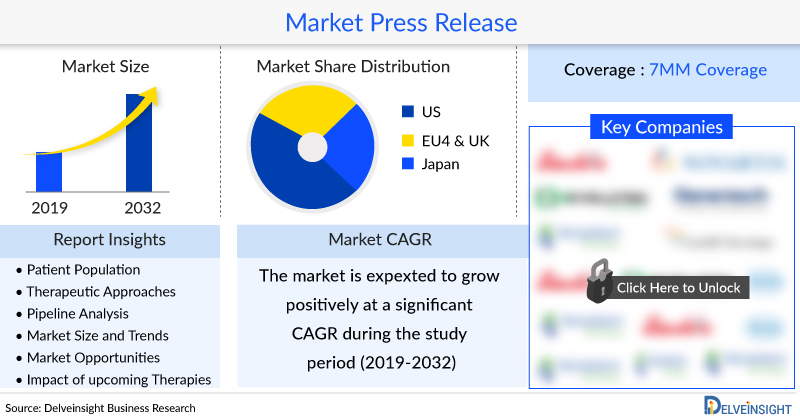
Market Insight: The orthostatic hypotension treatment market is expected to grow steadily due to the rising prevalence of the condition, particularly among the aging population, along with an increasing focus on improving diagnosis and treatment. The market is driven by the need for effective management of this condition to prevent symptoms such as dizziness, fainting, and falls, which can severely affect a patient’s quality of life.
Current Treatment Landscape:
- Lifestyle Modifications:
- Increased Fluid Intake: Dehydration is a common trigger for OH, and increasing fluid intake helps raise blood volume, improving blood circulation and preventing the condition.
- Dietary Adjustments: A diet higher in salt and fluids can help improve blood pressure regulation. However, salt intake should be monitored, especially in people with kidney problems or heart disease.
- Compression Stockings: Wearing compression garments can help improve circulation by preventing blood from pooling in the legs, improving blood return to the heart.
- Gradual Position Changes: Encouraging patients to change positions slowly (e.g., sitting up before standing) can help mitigate the drop in blood pressure.
- Pharmacological Treatments:
- Midodrine: A drug that constricts blood vessels to raise blood pressure. It is the most commonly prescribed medication for OH and is particularly useful in cases of neurogenic orthostatic hypotension (NOH).
- Fludrocortisone: A synthetic corticosteroid that increases blood volume and helps to raise blood pressure.
- Droxidopa: A norepinephrine precursor used for treating neurogenic orthostatic hypotension, particularly in patients with Parkinson’s disease or other neurological disorders.
- Other Drugs: Selective serotonin-norepinephrine reuptake inhibitors (SNRIs) and other agents may also be used to treat symptoms of orthostatic hypotension.
- Emerging Therapies and Devices:
- Innovative Drugs: Research into more targeted pharmacologic treatments is ongoing, with several drugs in development that aim to address the underlying mechanisms of orthostatic hypotension.
- Medical Devices: The development of wearable devices or electrical stimulation technologies is helping patients manage their symptoms more effectively, especially in cases where medications are not sufficiently effective.
- Gene Therapy: While still in early stages, gene therapies targeting blood pressure regulation are being investigated.
Request for a Free Sample Report @ Orthostatic Hypotension Treatment Market
Market Forecast (2032): The market for orthostatic hypotension treatments is expected to grow substantially by 2032, driven by an aging global population, the rising prevalence of chronic diseases associated with OH, and advancements in treatment options. The market will likely be shaped by the following factors:
- Aging Population: As the global population ages, the number of people diagnosed with orthostatic hypotension is expected to increase, especially in countries with significant aging demographics.
- Improved Diagnosis: Better awareness and diagnostic technologies will help identify more patients early, allowing for more effective treatment and management of the condition.
- New Treatment Options: Ongoing clinical trials and research into new pharmacological treatments and medical devices will likely enhance the treatment landscape, offering more personalized and effective therapies.
- Telemedicine: The rise of telemedicine and remote monitoring technologies will play an important role in improving patient access to treatment and managing chronic conditions like OH, especially in underserved regions.
Key Drivers:
- Aging Population: The increasing global elderly population is expected to be the primary driver of market growth. Older individuals are at a higher risk of developing orthostatic hypotension, particularly in the presence of chronic conditions.
- Improved Awareness: Increased awareness among healthcare providers and patients about orthostatic hypotension will result in earlier diagnosis and intervention, expanding the patient pool.
- Technological Advancements: Innovations in diagnostic tools and treatment options, including drugs and wearable devices, will drive the market forward.
- Rising Comorbidities: As the incidence of diabetes, cardiovascular diseases, and Parkinson’s disease rises, more people are likely to develop secondary orthostatic hypotension.
Key Barriers:
- Underdiagnosis and Misdiagnosis: Many cases of OH are undiagnosed, particularly in elderly patients who may attribute symptoms to aging or other comorbid conditions.
- Side Effects of Existing Treatments: Some treatments for OH have side effects, such as nausea or urinary retention, which may impact patient compliance.
- Cost of Therapy: Some newer treatments and medical devices may be expensive, limiting access to healthcare in lower-income regions or among uninsured populations.
Key Players in the Market:
- Midodrine Manufacturers: Shire Pharmaceuticals (now part of Takeda) and Eisai.
- Fludrocortisone Producers: Pfizer and Mylan.
- Droxidopa Developers: Chelsea Therapeutics (now acquired by Lundbeck).
- Medical Device Companies: Medtronic, Abbott, and Boston Scientific.
Request for a Free Sample Report @ Orthostatic Hypotension Treatment Market
Conclusion: The orthostatic hypotension market is expected to witness significant growth by 2032, driven by the aging global population, advancements in treatment technologies, and a deeper understanding of the condition. The development of new therapies and devices will help address the unmet needs of patients, improving both the diagnosis and treatment of OH. The increasing prevalence of chronic diseases and neurodegenerative disorders will continue to drive demand for effective therapies, making orthostatic hypotension an important area of focus in the healthcare industry.
Latest Reports Offered By DelveInsight:
CD-38 Market | AKT Inhibitor Market | CDK 7 Inhibitors Market | BCMA Targeted Therapies Market | BTK Inhibitors Market | PLK1 Inhibitor Market | Mesenchymal-epithelial Transition Factor (MET) Market | Opioid Kappa Receptor Agonists Market | TIGIT Inhibitors Market | BCL-2 Inhibitors Market
 Site Title
Leave a comment