Overview of Hypercoagulability: Hypercoagulability, also known as a hypercoagulable state or thrombophilia, is a condition where the blood has an increased tendency to form clots. This abnormal clotting can result in deep vein thrombosis (DVT), pulmonary embolism (PE), stroke, and other thrombotic disorders. Hypercoagulability can be caused by genetic factors, such as mutations in genes like Factor V Leiden or prothrombin, or acquired conditions like pregnancy, cancer, or autoimmune diseases.
Hypercoagulability Market Insight: The hypercoagulability market includes therapies aimed at reducing blood clot formation, such as anticoagulants, direct oral anticoagulants (DOACs), and heparins. The increasing prevalence of conditions related to hypercoagulability, such as stroke and deep vein thrombosis, has led to a significant rise in the demand for treatments. The global market is expected to grow as new treatments are developed, focusing on improving efficacy, reducing side effects, and offering better management of thrombotic diseases.
Request for a Free Sample Report @ Hypercoagulability Market
Key Market Drivers:
- Rising prevalence of thrombotic disorders: As the global population ages and the incidence of risk factors like obesity, cardiovascular diseases, and cancer increases, the incidence of hypercoagulability-related conditions is also on the rise.
- Advancements in diagnostics: Innovations in genetic testing and biomarkers have improved the diagnosis of hypercoagulability, leading to better patient outcomes and driving the demand for targeted therapies.
- Improved treatment options: The availability of new, more effective anticoagulant therapies, particularly direct oral anticoagulants (DOACs), which are easier to administer and have fewer side effects than traditional heparins, has boosted market growth.
Hypercoagulability Epidemiology: The global prevalence of hypercoagulability varies due to the differences in the underlying causes of the condition. Genetic causes such as Factor V Leiden mutation and prothrombin mutations affect approximately 5% of the population in certain regions, but the condition may be undiagnosed in many cases. Additionally, acquired hypercoagulable conditions like those seen in cancer, autoimmune diseases, and pregnancy are contributing to the rising burden of the disease.
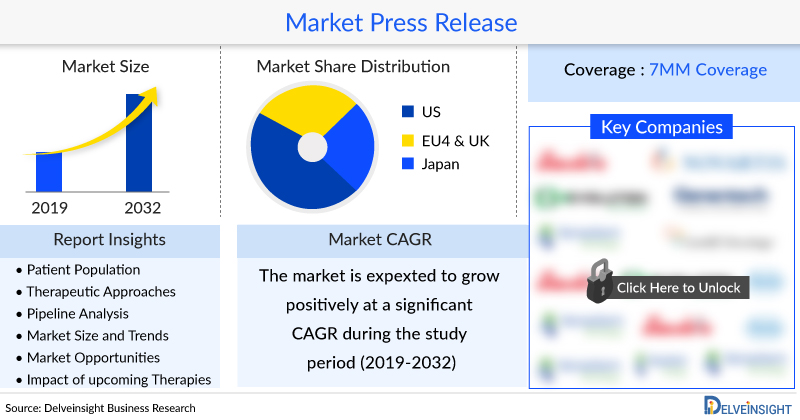
Market Forecast (up to 2032): The market for hypercoagulability is expected to expand significantly by 2032. The rise in the aging population, alongside advances in therapeutic options, will drive growth in the coming years. The anticoagulant market, particularly for DOACs, will see a significant increase in sales as more patients are diagnosed with hypercoagulability-related disorders.
Request for a Free Sample Report @ Hypercoagulability Market
Emerging Therapies and Drug Pipeline: Several key players are actively working on developing new therapies for hypercoagulability. Emerging anticoagulant drugs, as well as biologics targeting specific clotting mechanisms, are expected to shape the market over the next decade. Pipeline therapies focused on targeting the underlying causes of hypercoagulability, such as genetic mutations or inflammatory markers, are gaining attention.
Competitive Landscape: The competitive landscape for hypercoagulability treatments is dominated by major pharmaceutical companies, including:
- Bayer AG
- Bristol-Myers Squibb
- Johnson & Johnson
- Novartis AG
- Sanofi
- AstraZeneca
These companies are involved in the development of novel anticoagulants and therapies that focus on improving patient compliance and safety profiles.
Challenges and Barriers:
- Adherence to treatment: Long-term anticoagulation therapy often requires careful monitoring, and patient adherence can be a challenge.
- Side effects and complications: The risk of bleeding is a major concern for patients on anticoagulants, and finding a balance between preventing clotting and avoiding bleeding complications is crucial.
- Cost of treatment: Some newer therapies, especially direct oral anticoagulants, can be expensive, potentially limiting access for some patients.
Request for a Free Sample Report @ Hypercoagulability Market
Conclusion: The hypercoagulability market is poised for substantial growth by 2032, driven by advancements in diagnostic tools, improved therapeutic options, and the increasing prevalence of thrombotic disorders. The demand for more targeted and effective therapies will continue to rise, and innovations in the drug pipeline will further expand the market. However, the challenges of treatment adherence, bleeding risks, and cost will need to be addressed to ensure optimal patient outcomes.
Latest Reports Offered By DelveInsight:
CD-38 Market | AKT Inhibitor Market | CDK 7 Inhibitors Market | BCMA Targeted Therapies Market | BTK Inhibitors Market | PLK1 Inhibitor Market | Mesenchymal-epithelial Transition Factor (MET) Market | Opioid Kappa Receptor Agonists Market | TIGIT Inhibitors Market | BCL-2 Inhibitors Market
 Site Title
Leave a comment