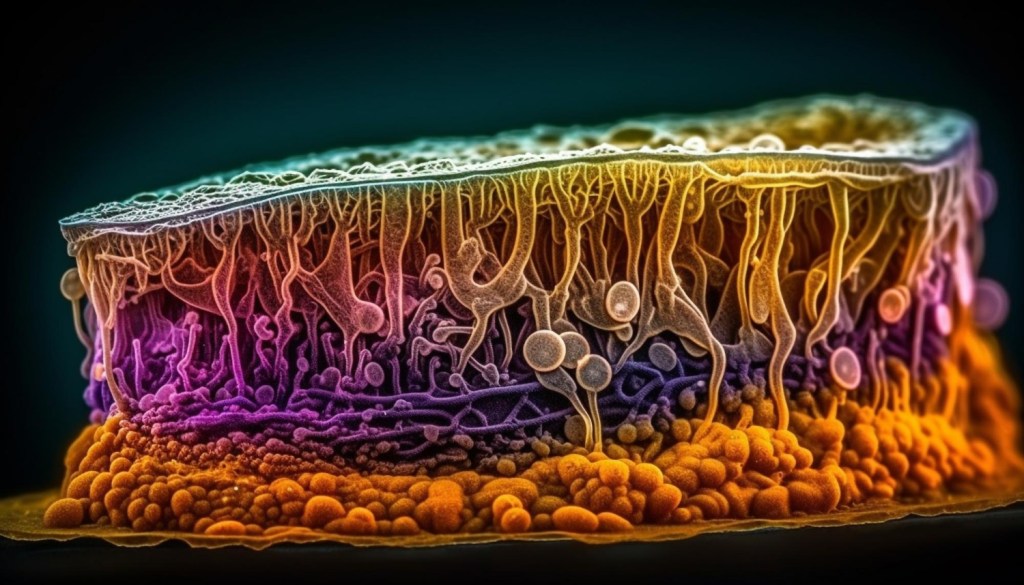
Skin neoplasms, commonly known as skin cancers, represent a group of malignancies that originate in the skin cells. Among the most common cancers globally, skin neoplasms are categorized into various types based on the type of skin cells affected, including basal cell carcinoma (BCC), squamous cell carcinoma (SCC), and melanoma, with each type exhibiting different clinical behaviors and treatment approaches. The skin neoplasms market has been rapidly evolving due to rising incidences, increasing awareness about early diagnosis, and advancements in therapeutic options.
Overview of Skin Neoplasms
Skin neoplasms can be broadly classified into non-melanoma skin cancers (NMSC), which include BCC and SCC, and melanoma, a more aggressive form of skin cancer. Non-melanoma skin cancers are more common, with BCC being the most frequently diagnosed skin cancer worldwide. Melanoma, though less common, is the deadliest due to its higher potential for metastasis.
The market for skin neoplasms treatment is driven by an increasing incidence of these cancers, particularly in regions with high exposure to ultraviolet (UV) radiation. Factors such as environmental changes, an aging population, and the growing demand for skin cancer treatments are contributing to the growth of the skin neoplasms therapeutics market. Early diagnosis and treatment are critical for improving outcomes and reducing the burden of skin cancers on healthcare systems globally.
Epidemiology of Skin Neoplasms
The prevalence of skin neoplasms is on the rise, with skin cancer being the most common form of cancer worldwide. According to estimates, one in five people will be diagnosed with skin cancer in their lifetime, highlighting the need for effective screening, prevention, and treatment strategies.
- Basal Cell Carcinoma (BCC): BCC is the most common form of skin cancer, with millions of cases diagnosed globally each year. While BCC is rarely fatal, it can cause significant morbidity due to its potential for local invasiveness and recurrence.
- Squamous Cell Carcinoma (SCC): SCC accounts for a significant proportion of skin cancer cases, and its incidence is rising, particularly among older adults and those with fair skin. Unlike BCC, SCC has a higher potential for metastasis, making early detection and treatment crucial.
- Melanoma: Although melanoma accounts for a smaller percentage of skin cancer cases, it is responsible for the majority of skin cancer-related deaths. Its incidence has been increasing globally, particularly in light of sun exposure patterns and tanning behaviors. Early detection and treatment are key to improving survival rates in melanoma patients.
The incidence of skin neoplasms varies geographically, with higher rates in countries with greater sun exposure, such as Australia and the United States. In addition, the global burden of skin cancer is expected to rise due to factors such as the aging population and lifestyle factors, including increased outdoor activities and tanning behaviors.
Skin Neoplasms Market Segmentation
The skin neoplasms market can be segmented based on several factors, including treatment type, cancer subtype, and geography.
- By Treatment Type:
- Surgical Treatments: Surgery remains the most common and effective treatment for skin neoplasms, particularly for localized BCC and SCC. Surgical excision, Mohs micrographic surgery, and cryosurgery are some of the key procedures used for skin cancer removal.
- Radiation Therapy: In cases where surgery is not feasible or when the cancer has spread, radiation therapy is used to target and destroy cancer cells.
- Topical Therapies: Topical treatments, including imiquimod and fluorouracil, are used primarily for superficial BCC and SCC and offer non-invasive treatment options.
- Systemic Therapies: Chemotherapy, immunotherapy, and targeted therapies are used for advanced melanoma or metastatic SCC. Immunotherapies, such as checkpoint inhibitors (e.g., nivolumab and pembrolizumab), have shown remarkable success in treating advanced melanoma and are transforming the treatment landscape.
- Photodynamic Therapy: This treatment uses light-sensitive drugs activated by specific wavelengths of light to destroy cancer cells, primarily used in treating superficial BCC and precancerous lesions.
- By Skin Cancer Subtype:
- Non-Melanoma Skin Cancer (NMSC): Includes BCC and SCC, which are more common and are treated using surgery, topical treatments, or radiation therapy.
- Melanoma: While less common, melanoma is a highly aggressive form of skin cancer requiring specialized treatments, including immunotherapy, targeted therapy, and sometimes chemotherapy.
- By Region:
- North America: The largest market for skin neoplasms treatment, driven by a high incidence of skin cancer, particularly in the United States. The market is characterized by advanced healthcare infrastructure and growing awareness of skin cancer prevention and treatment.
- Europe: Skin cancer incidence is also rising in Europe, particularly in countries with higher sun exposure, such as Southern Europe. The region is witnessing a growing demand for advanced therapies and early detection technologies.
- Asia Pacific: With an aging population and changing lifestyle factors, the skin neoplasms market in Asia Pacific is expected to experience significant growth in the coming years.
- Latin America and Middle East & Africa: Although the market is in the early stages in these regions, increasing awareness of skin cancer prevention and treatment is driving growth.
Market Trends and Developments
- Advancements in Immunotherapy and Targeted Therapy: Immunotherapies, especially checkpoint inhibitors such as nivolumab and pembrolizumab, are transforming the treatment landscape for advanced melanoma. These therapies stimulate the immune system to recognize and destroy cancer cells. Additionally, targeted therapies that specifically target melanoma mutations (e.g., BRAF inhibitors) are improving patient outcomes.
- Early Detection and Screening: With the rise in skin cancer incidence, the emphasis on early detection is increasing. Advances in imaging technologies, dermoscopy, and AI-based diagnostic tools are helping clinicians identify skin cancers at an early stage, improving survival rates and treatment success.
- Non-Invasive Treatments: There is a growing preference for non-invasive or minimally invasive treatment options. Topical therapies, photodynamic therapy, and advances in radiation therapy are gaining traction as alternatives to traditional surgery, especially for superficial tumors.
Market Challenges and Opportunities
Challenges in the skin neoplasms market include the high cost of advanced therapies, particularly immunotherapies and targeted treatments, which may limit accessibility for some patients. In addition, there is a need for more robust diagnostic tools to accurately detect skin cancer at an earlier stage, particularly in underserved regions.
Opportunities in the market include expanding access to skin cancer treatments globally, especially in emerging markets where awareness and healthcare infrastructure are improving. Additionally, ongoing research and development of next-generation therapies, including combination treatments and personalized medicine, present significant growth opportunities.
Market Outlook and Forecast
The skin neoplasms market is expected to experience substantial growth by 2032. The growing global burden of skin cancer, advancements in immunotherapies, and the increasing focus on early detection and non-invasive treatments will drive this expansion. The market will continue to be shaped by the need for cost-effective and accessible therapies, as well as innovations in diagnostic tools.
With a combination of enhanced treatment options, rising awareness, and better early detection, the future of the skin neoplasms therapeutics market looks promising, offering hope for improved outcomes for skin cancer patients worldwide.
Conclusion
The skin neoplasms market is on a strong growth trajectory, driven by increasing incidences of skin cancers and advancements in treatment options. As more patients are diagnosed with skin cancer, the demand for effective, accessible, and personalized treatment will continue to rise. With innovations in immunotherapy, targeted treatments, and early detection technologies, the skin neoplasms market is poised to significantly improve patient care and outcomes, while also expanding globally.
 Site Title
Leave a comment