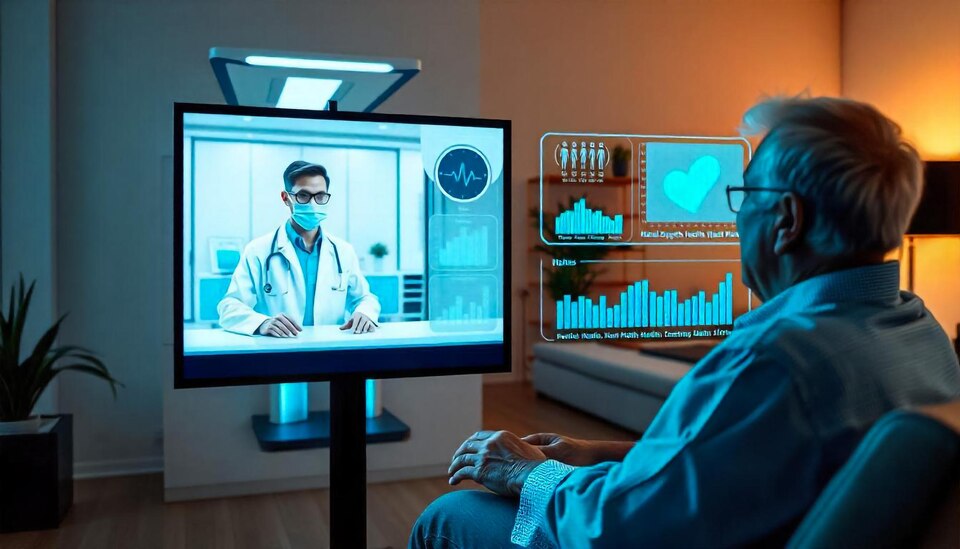
The convergence of wearable technology, mobile health applications, and clinical research is creating unprecedented opportunities for comprehensive health monitoring and data collection. Connected health research represents a new frontier in medical science where continuous, real-world data streams provide insights that were previously impossible to obtain through traditional research methodologies. This technological integration is transforming how researchers understand disease progression, treatment effectiveness, and patient behavior in natural environments.
The Connected Health Ecosystem
Modern clinical research is evolving into a sophisticated connected health ecosystem where multiple technologies work together to create comprehensive patient monitoring and engagement platforms. Virtual clinical trials (VCTs) serve as the foundation for this ecosystem by integrating wearable devices, mobile applications, and cloud-based analytics into seamless research experiences.
Connected health research platforms utilize interconnected devices and applications that communicate continuously, creating rich datasets that capture physiological metrics, behavioral patterns, and environmental factors simultaneously. This holistic approach provides researchers with unprecedented insights into the complex interactions between treatments, patient behavior, and health outcomes.
Wearable Technology Revolution in Clinical Research
Wearable devices have revolutionized clinical research by enabling continuous, passive collection of physiological data that would be impossible to gather through traditional clinic visits. Advanced biosensors can monitor heart rate variability, sleep patterns, physical activity levels, blood glucose fluctuations, and numerous other health metrics without requiring active patient involvement.
The sophistication of modern wearable technology allows researchers to detect subtle changes in patient health status that might indicate treatment responses, adverse effects, or disease progression. This continuous monitoring capability provides early warning systems for potential health issues while generating comprehensive datasets for analysis and pattern recognition.
Mobile Health Applications as Research Platforms
Mobile health applications have evolved from simple tracking tools to comprehensive research platforms that facilitate patient engagement, data collection, and real-time communication with research teams. These applications provide intuitive interfaces for medication tracking, symptom reporting, quality of life assessments, and educational content delivery.
The ubiquity of smartphones and tablets has made mobile health applications accessible to diverse populations, enabling widespread participation in connected health research studies. Advanced features such as push notifications, personalized feedback, and gamification elements help maintain patient engagement and adherence to study protocols.
Market Growth and Technology Investment
The integration of wearables and mobile technology in clinical research has created substantial market opportunities and attracted significant investment from pharmaceutical companies, technology firms, and healthcare organizations. The virtual clinical trials market is experiencing rapid growth as organizations recognize the competitive advantages offered by connected health research methodologies.
Investment in connected health research technologies reflects growing confidence in their ability to accelerate drug development, reduce research costs, and improve patient outcomes. Major pharmaceutical companies are partnering with technology providers to develop integrated solutions that leverage the latest advances in wearable and mobile technologies.
Real-World Evidence Generation
Connected health research is enabling the generation of real-world evidence that provides insights into how treatments perform in actual patient populations and real-world settings. Continuous data collection through wearables and mobile applications captures information about patient behavior, treatment adherence, and outcomes in natural environments rather than controlled clinical settings.
The demand for virtual clinical research is being driven partly by regulatory agencies’ increasing acceptance of real-world evidence for drug approval and post-market surveillance decisions. This shift toward real-world evidence is creating new opportunities for connected health research to influence treatment development and approval processes.
Advanced Analytics and Machine Learning
The vast amounts of data generated by connected health research platforms require sophisticated analytics capabilities to extract meaningful insights and identify important patterns. Machine learning algorithms analyze continuous data streams from multiple sources to identify biomarkers, predict treatment responses, and detect safety signals that might be missed by traditional analysis methods.
Artificial intelligence systems can process complex, multi-dimensional datasets in real-time, providing immediate feedback to research teams and enabling adaptive study designs that modify protocols based on emerging data trends. These advanced analytics capabilities are essential for maximizing the value of connected health research investments.
Patient Engagement and Behavior Modification
Connected health research platforms provide unique opportunities for patient engagement and behavior modification through real-time feedback, personalized recommendations, and social support features. Wearable devices and mobile applications can provide immediate feedback about health metrics, medication adherence, and progress toward health goals.
Behavioral intervention features integrated into connected health platforms can help patients develop healthier habits, improve treatment adherence, and achieve better outcomes. These engagement strategies are particularly valuable for chronic disease management and preventive health research where long-term behavior change is essential for success.
Data Integration and Interoperability
The success of connected health research depends on seamless integration and interoperability between different devices, applications, and data systems. Standardized data formats, application programming interfaces (APIs), and cloud-based integration platforms enable different technologies to work together effectively.
Interoperability challenges in connected health research include ensuring that data from different manufacturers and platforms can be combined and analyzed comprehensively. Industry standards and regulatory guidance are evolving to address these challenges and promote greater interoperability across the connected health ecosystem.
Privacy and Security Considerations
Connected health research generates vast amounts of sensitive personal health information that must be protected according to strict privacy and security standards. Advanced encryption technologies, secure communication protocols, and robust access controls ensure that patient data remains protected throughout the research process.
Privacy-preserving analytics techniques enable researchers to analyze aggregated data patterns while protecting individual patient privacy. Blockchain technology is being explored as a solution for secure, transparent data sharing that gives patients greater control over their personal health information.
Addressing Implementation Barriers
Despite their transformative potential, connected health research platforms face several implementation barriers that require strategic solutions. The challenges of virtual clinical trials in connected health environments include ensuring device reliability, managing data quality, and addressing technology adoption barriers across diverse patient populations.
Device battery life, connectivity issues, and user interface complexity can impact data quality and patient engagement in connected health research studies. Comprehensive technical support, user training, and backup data collection methods are essential for addressing these challenges and ensuring study success.
Industry Innovation and Partnership Ecosystems
The connected health research ecosystem is supported by innovative partnerships between pharmaceutical companies, technology manufacturers, healthcare organizations, and research institutions. Virtual clinical trial companies are developing integrated platforms that combine multiple technologies into comprehensive solutions for connected health research.
Strategic partnerships are driving innovation by combining domain expertise in clinical research with cutting-edge technological capabilities. These collaborations are creating integrated solutions that address the complex requirements of connected health research while ensuring regulatory compliance and scientific validity.
Regulatory Framework Development
Regulatory agencies are developing new frameworks specifically designed to address the unique characteristics of connected health research, including guidelines for device validation, data quality assurance, and patient safety monitoring in technology-enabled studies.
The evolution of regulatory frameworks for connected health research reflects growing recognition of the value of continuous monitoring and real-world evidence generation. Harmonized international standards are being developed to facilitate global implementation of connected health research while maintaining consistent quality and safety requirements.
Future Technology Integration
The future of connected health research will likely incorporate even more advanced technologies, including next-generation biosensors for non-invasive biomarker monitoring, augmented reality interfaces for enhanced patient engagement, and edge computing for real-time data processing and analysis.
Integration of genomic data, environmental monitoring, and social determinants of health with wearable and mobile technology data will provide comprehensive insights into factors that influence health outcomes. As these technologies mature, connected health research will become increasingly sophisticated and valuable for medical research.
Impact on Healthcare Delivery Models
Connected health research is influencing broader healthcare delivery models by demonstrating the effectiveness of continuous monitoring, remote patient management, and technology-enabled care coordination. Lessons learned from connected health research are being applied to routine healthcare delivery, improving patient outcomes and reducing healthcare costs.
The integration of research and clinical care through connected health platforms is creating opportunities for continuous learning and improvement in healthcare delivery while enabling more personalized and effective treatment approaches.
Conclusion
Connected health research represents a transformative approach to clinical research that leverages the power of wearable and mobile technologies to create comprehensive, continuous monitoring and engagement platforms. By integrating multiple technologies into cohesive research ecosystems, connected health research is providing unprecedented insights into patient health, treatment effectiveness, and real-world outcomes. As technology continues to advance and regulatory frameworks evolve, connected health research will play an increasingly central role in developing innovative treatments and improving patient care worldwide, fundamentally changing how we understand and address human health challenges.
Latest Reports:-
https://www.delveinsight.com/report-store/bronchial-spasm-epidemiology-forecast
https://www.delveinsight.com/report-store/relapsing-multiple-sclerosis-rms-epidemiology-forecast
https://www.delveinsight.com/report-store/clear-cell-sarcoma-epidemiology-forecast
https://www.delveinsight.com/report-store/papilloma-epidemiology-forecast
https://www.delveinsight.com/report-store/sscild-epidemiology-forecast
https://www.delveinsight.com/report-store/ngly1-deficiency-epidemiology-forecast
https://www.delveinsight.com/report-store/polymyositis-epidemiology-forecast-insight
https://www.delveinsight.com/report-store/astrocytoma-epidemiology-forecast
https://www.delveinsight.com/report-store/idiopathic-scoliosis-epidemiology-forecast
 Site Title
Leave a comment