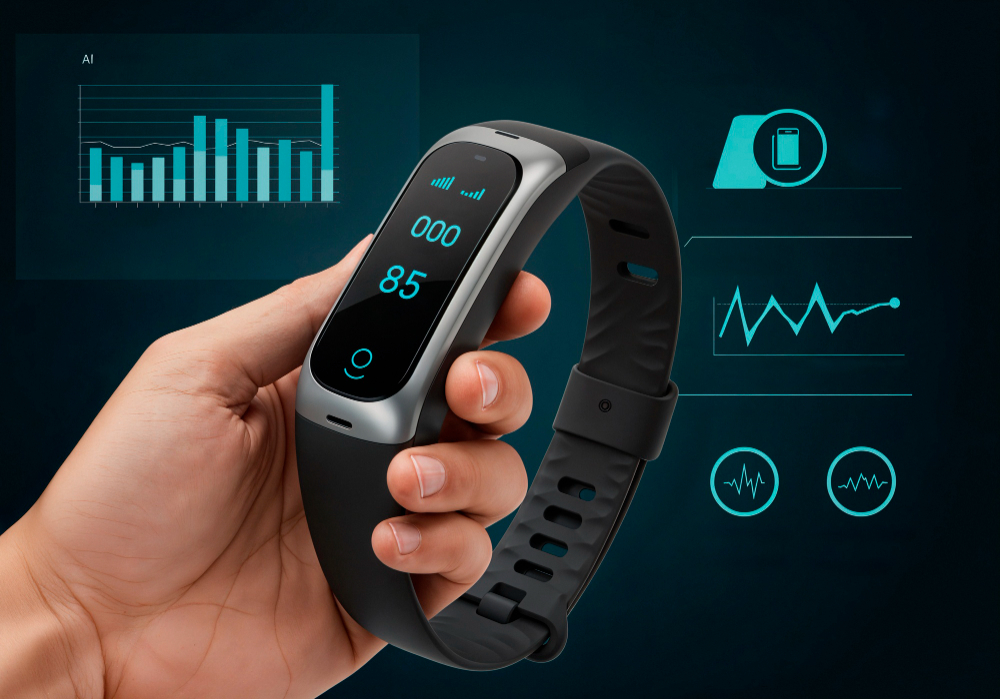
Healthcare is undergoing a profound transformation as wearable technology becomes increasingly integrated into medical practice. These innovative devices are revolutionizing how patients and healthcare providers approach wellness, disease prevention, and chronic condition management.
Evolution of Smart Health Monitoring Devices
Wearable technology tracking devices have transformed from basic pedometers to sophisticated health monitoring systems. Modern devices incorporate multiple sensors that can track everything from heart rate variability and sleep quality to blood oxygen saturation and stress levels.
Companies like Apple, Garmin, and Oura have developed devices that serve as personal health assistants, providing users with comprehensive insights into their physiological state. These devices use advanced algorithms to analyze data patterns and deliver actionable health recommendations, making personalized healthcare more accessible than ever before.
Revolutionary Benefits for Modern Healthcare
The advantages of wearable technology extend far beyond basic fitness tracking. These devices enable continuous health surveillance, allowing for the detection of health anomalies before they become serious medical issues.
Remote patient monitoring has become particularly valuable for managing chronic diseases. Patients with conditions like diabetes, heart failure, and respiratory disorders can now be monitored continuously without frequent hospital visits. This approach not only improves patient outcomes but also reduces healthcare costs significantly.
The psychological benefits are equally important. When patients can visualize their health data, they become more engaged in their care. This increased awareness often leads to better lifestyle choices, improved medication compliance, and stronger patient-provider relationships.
Today’s Wearable Healthcare Ecosystem
Current wearable technology spans a broad spectrum of applications, from consumer wellness devices to clinical-grade monitoring systems. Smartwatches now offer FDA-approved features like ECG monitoring and irregular heart rhythm detection.
Specialized medical wearables are making significant impacts in specific therapeutic areas. Continuous glucose monitors have transformed diabetes management, while wearable defibrillators provide life-saving interventions for cardiac patients. Smart clothing embedded with sensors can monitor respiratory patterns and detect falls in elderly patients.
The integration of artificial intelligence and cloud computing has enabled these devices to provide predictive insights, helping healthcare providers make more informed decisions about patient care.
Emerging Innovations and Future Possibilities
Future developments in wearable technology promise to further revolutionize healthcare delivery. Researchers are developing smart contact lenses that can monitor intraocular pressure for glaucoma patients and blood glucose levels for diabetics.
Nanotechnology is paving the way for implantable sensors that can provide continuous monitoring of various biomarkers. These devices could detect early signs of cancer, monitor organ function, and even deliver targeted drug therapy based on real-time physiological data.
The convergence of wearable technology with telemedicine platforms is creating new possibilities for remote healthcare delivery, particularly important for underserved populations and those with limited access to traditional healthcare facilities.
Conclusion
The integration of wearable technology into healthcare represents a fundamental shift toward proactive, personalized medicine. As these devices become more sophisticated and widely adopted, they will continue to empower patients, enhance clinical decision-making, and improve health outcomes across all demographics. The future of healthcare is wearable, intelligent, and patient-centric.
Latest Reports:-
Primary Open-angle Glaucoma Market | Progressive Multifocal Leukoencephalopathy Market | Progressive Supranuclear Palsy Market | Bone And Joint Infection Market | Proteus Syndrome Market | Prurigo Nodularis Market | Psoriasis Market | Parkinson’s Disease Psychosis Market | Acute Pulmonary Embolism Market | Pulmonary Emphysema Market | Pulmonary Hypertension Associated With Interstitial Lung Disease Market | Pulmonary Sarcoidosis Market | Pulmonology Devices Market | Pulse Oximeter Market | Pulse Oximeters Market | Pyoderma Gangrenosum Market | Rabies Virus Market | Radiation Induced Esophagitis Market | Radioligand Therapies Market | Raynauds Disease Market | Reactive Arthritis Market | Recurrent Glioblastoma Market | Recurrent Malignant Glioma Market | Recurrent Pericarditis Market | Renal Anemia Market | Restless Legs Syndrome Market | Restrictive Cardiomyopathy Market | Retinal Detachment Disorder Market
 Site Title
Leave a comment